
Compact powered access

Self-Propelled Vertical Mast Lifts

Measure the complete route to the compact work position.

Define the platform task, vertical work point, stored machine path, turning area, floor and operating sequence before configuration review.

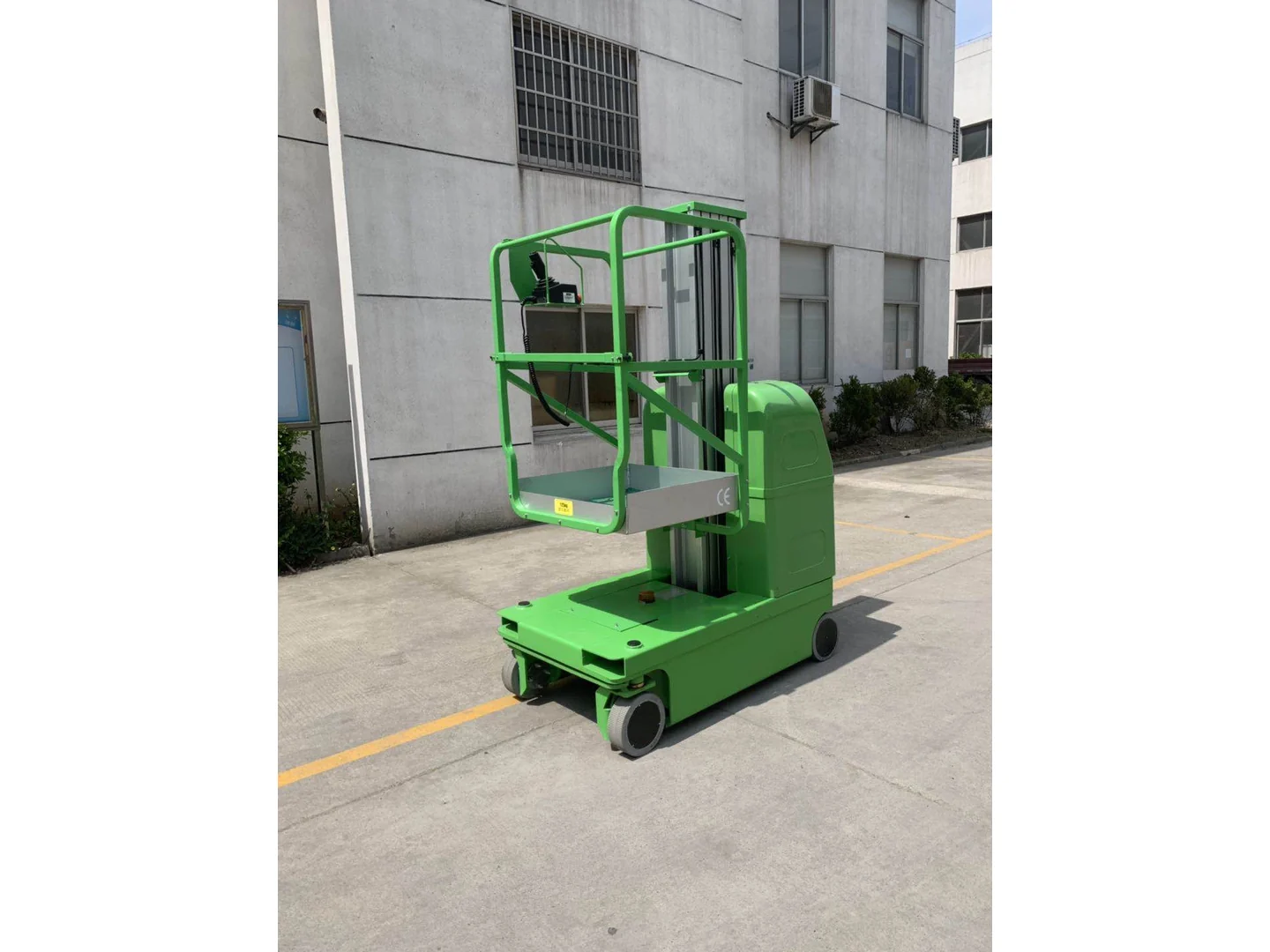
Complete green self-propelled vertical mast lift lowered outside a building
Lowered position · three-quarter view

01 / Category boundary

Define the task before the configuration.

A self-propelled vertical mast lift combines a vertical mast platform with an integrated powered travel chassis.

This path is distinct from push-around aluminum mast equipment and scissor lifts. The work point, platform task, access route, stored envelope, turning space, floor, power and environment should be reviewed together.

Integrated travel chassis
Plan movement and steering through the site as part of the equipment task.
Vertical mast structure
Record the vertical platform position and any nearby overhead or side obstruction.
Compact route
Measure the narrowest door, aisle, turn, threshold and storage position.

02 / Equipment guide

Understand the structure and compare the task.

Connect the equipment arrangement to your work area, movement route and operating conditions.

Structure and movement

A self-propelled vertical mast lift combines a mast-guided platform path with a self-propelled base. The mast, platform and base have separate envelopes. Record the complete movement width and height instead of using a platform measurement to describe doorway clearance.

Describe travel to the work position and the vertical access task separately. The work point, platform position and obstacles beside the platform explain the access requirement. Doors, aisles, turns and floor transitions explain the movement requirement.

What to compare

Compare a mast, scissor or boom arrangement using the location of the work point and the required platform task. Identify whether the project needs vertical positioning, an offset work point or a different platform arrangement. Bring these requirements into the model discussion alongside the access-route measurements.

Conditions to establish

Send the work-point description, platform activity, route measurements, storage constraints and floor conditions. Add the intended power and charging context. Describe the people, tools and materials involved, and include any need to reposition the equipment during the work.

03 / Applications

Place the equipment in its working context.

Start with the task, access route and surrounding conditions, then review the configuration against the complete site brief.

01

Vertically aligned work points

Plan tasks where the main access requirement is a defined vertical platform position.

02

Measured door-and-aisle routes

Review the complete route through doors, aisles, turns and transitions before selection.

03

Movement and storage planning

Coordinate powered travel, stored envelope, power context and storage position.

04 / Selection inputs

Connect the work point to every part of the travel route.

A clear enquiry separates the raised task from the stored movement envelope and floor conditions.

  1. 01

    Platform position and work point

    State the required platform position and actual task location separately.

  2. 02

    Platform task

    Describe people, tools, materials and the clear platform area needed.

  3. 03

    Doors and aisles

    Measure clear width and height at the narrowest points.

  4. 04

    Turns and transitions

    Record turning space, thresholds, slopes and floor-level changes.

  5. 05

    Floor and environment

    Describe surface condition, indoor or outdoor use and nearby traffic.

  6. 06

    Power, storage and destination

    Share the power context, storage position, quantity, destination and project window.

05 / Project path

Turn site information into a reviewable brief.

Keep the project sequence visible so measurements, configuration questions and supporting files reach the enquiry together.

  1. 01

    Define the platform task

    Record the work point, platform activity, people, tools and materials.

  2. 02

    Walk the travel route

    Measure doors, aisles, turns, thresholds, floor changes and the intended work position.

  3. 03

    Review site services

    Check floor condition, environment, power, storage, quantity and destination.

06 / Buyer questions

Planning FAQ

Common questions about equipment selection and preparing your enquiry.

01 How is this different from a push-around aluminum mast lift?

This route uses an integrated powered travel chassis. Push-around mast equipment has a different movement and support task.

02 Which access measurements matter?

Measure clear door and aisle width and height, turns, thresholds, slopes, storage space and the final setup area.

03 Is a work-height request enough?

No. State the platform position and work point separately and include the platform task, route, floor and environment.

04 Do the photographs confirm a model?

No. They show the general equipment structure and do not establish a model, dimensions or performance.

Start the project brief

Send the interface, route and site context.

The product family is carried into the enquiry form so the follow-up starts from the right category.

Request a project review
Quick enquiry Full quote