
Tracked scissor access

Crawler Scissor Lifts

Define the tracked route without assuming the ground is suitable.

Describe the complete travel surface, platform task, work position, setup area and transport path before a tracked scissor configuration is reviewed.

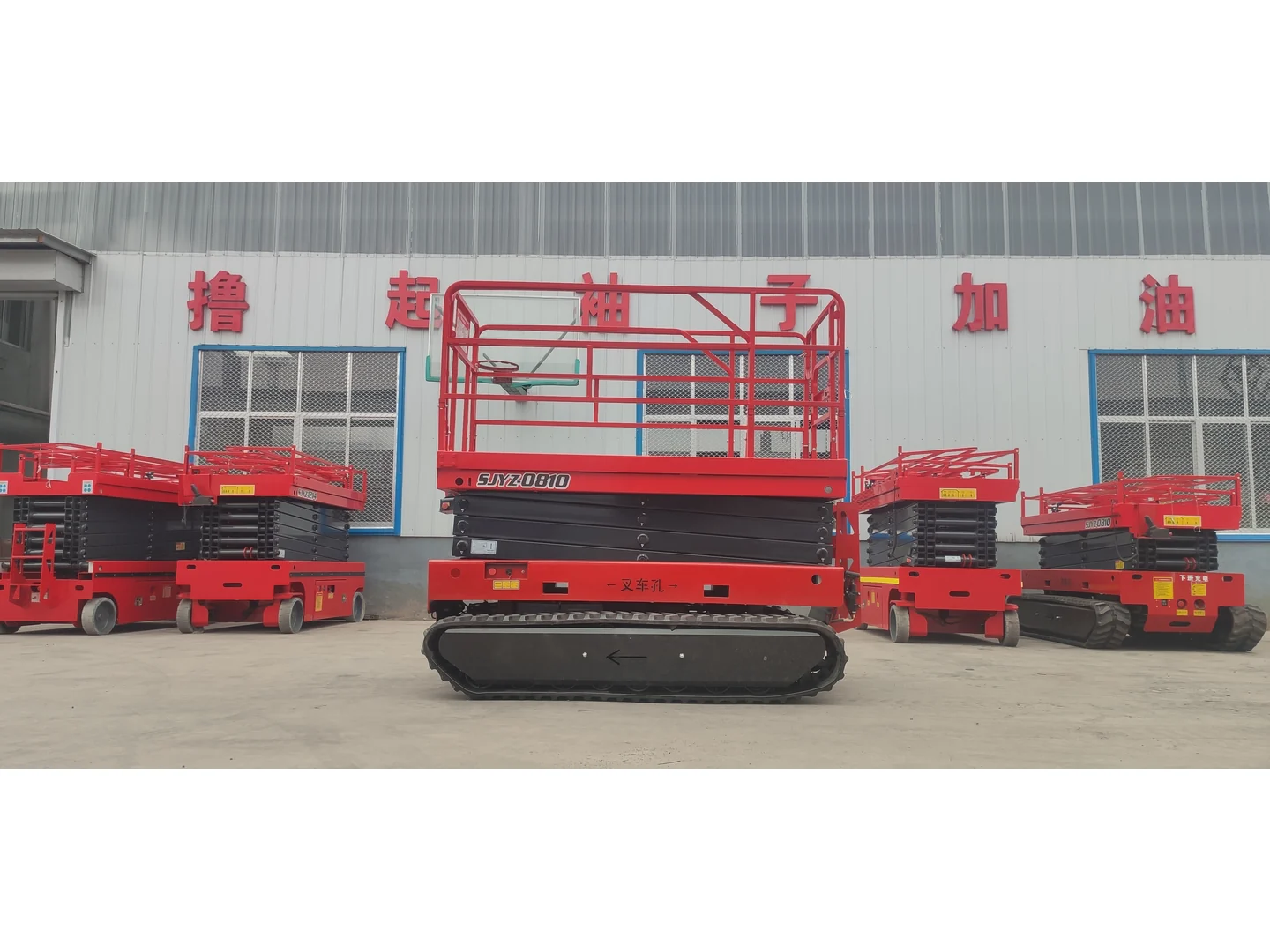
Complete red crawler scissor lift in a lowered front view, with other equipment in the background
Folded position · front track view

01 / Category boundary

Define the task before the configuration.

A crawler scissor lift combines a vertically lifting scissor platform with a tracked travel chassis.

The visible track structure identifies the category, but it does not establish terrain performance. Ground material, level changes, slope, edges, openings, platform task, access route and transport constraints still require project review.

This product line is handled as a custom configuration; project requirements are collected before quotation.

Tracked chassis
Record the complete travel route and surface instead of inferring capability from tracks.
Scissor platform
State the platform position, work point and platform task.
Ground and edges
Identify slopes, soft areas, drains, openings, drop-offs and other changes along the route.

02 / Equipment guide

Understand the structure and compare the task.

Connect the equipment arrangement to your work area, movement route and operating conditions.

Structure and movement

Crawler scissor lifts have a tracked base beneath the scissor mechanism and platform. When reviewing a tracked arrangement, consider the ground beneath the travel route and the setup position. Ground pressure, slopes and surface conditions are separate points for the configuration discussion.

Separate the path used to reach the work area from the location where the platform will be raised. For each part, describe the ground, transitions and obstacles. Add the required platform position and the people, tools and materials involved in the task.

What to compare

Compare a tracked base with other scissor-lift base arrangements using the site's movement and setup requirements. Describe the tightest access points and the surfaces along the route, then review the relevant operating limits for the proposed configuration.

Conditions to establish

Include ground photos, known surface information, changes in level and the available setup area. Identify slopes or transitions on a measured sketch where possible. The enquiry should explain both the requested work and the site conditions that need technical review.

03 / Applications

Place the equipment in its working context.

Start with the task, access route and surrounding conditions, then review the configuration against the complete site brief.

01

Tracked-route project review

Pair the vertical platform task with a clearly documented tracked-chassis route.

02

Ground-condition planning

Record ground material, level changes, slopes, edges and openings without assuming terrain performance.

03

Separate transport planning

Review how the equipment reaches, enters and leaves the work zone.

05 / Selection inputs

Document every surface from unloading to the work point.

The enquiry should show how the machine arrives, travels, sets up and leaves the site.

  1. 01

    Travel surface

    Describe material, condition, level changes and any soft or uneven sections.

  2. 02

    Route geometry

    Measure the narrowest access, turns, slopes, thresholds and overhead restrictions.

  3. 03

    Platform task

    State the platform position, work point, people, tools and materials.

  4. 04

    Setup area

    Mark edges, openings, obstacles, adjacent traffic and the available footprint.

  5. 05

    Transport

    Provide unloading, loading, carrier, gate and storage constraints.

  6. 06

    Environment

    Describe indoor or outdoor conditions, weather exposure, destination and timing.

06 / Project path

Turn site information into a reviewable brief.

Keep the project sequence visible so measurements, configuration questions and supporting files reach the enquiry together.

  1. 01

    Survey the complete surface

    Document every travel surface from unloading to the intended work position.

  2. 02

    Define the platform and setup task

    Record the work point, platform activity and available setup area.

  3. 03

    Review the custom configuration

    Bring route, ground, transport, environment and destination into the configuration review.

07 / Buyer questions

Planning FAQ

Common questions about equipment selection and preparing your enquiry.

01 Do tracks prove that a lift is suitable for any terrain?

No. Track appearance does not establish ground pressure, slope, travel or setup limits. The actual route needs review.

02 What ground information should I provide?

Describe surface material and condition and mark slopes, soft areas, drains, openings, drop-offs and transitions.

03 How is this different from a rough-terrain wheeled scissor lift?

This page is organized around a tracked chassis. The rough-terrain route is organized around a wheeled chassis and its separate site review.

04 Do these photographs confirm a model or capacity?

No. They show the general category structure; model and technical values require confirmed records.

Start the project brief

Send the interface, route and site context.

The product family is carried into the enquiry form so the follow-up starts from the right category.

Request a project review
Quick enquiry Full quote