
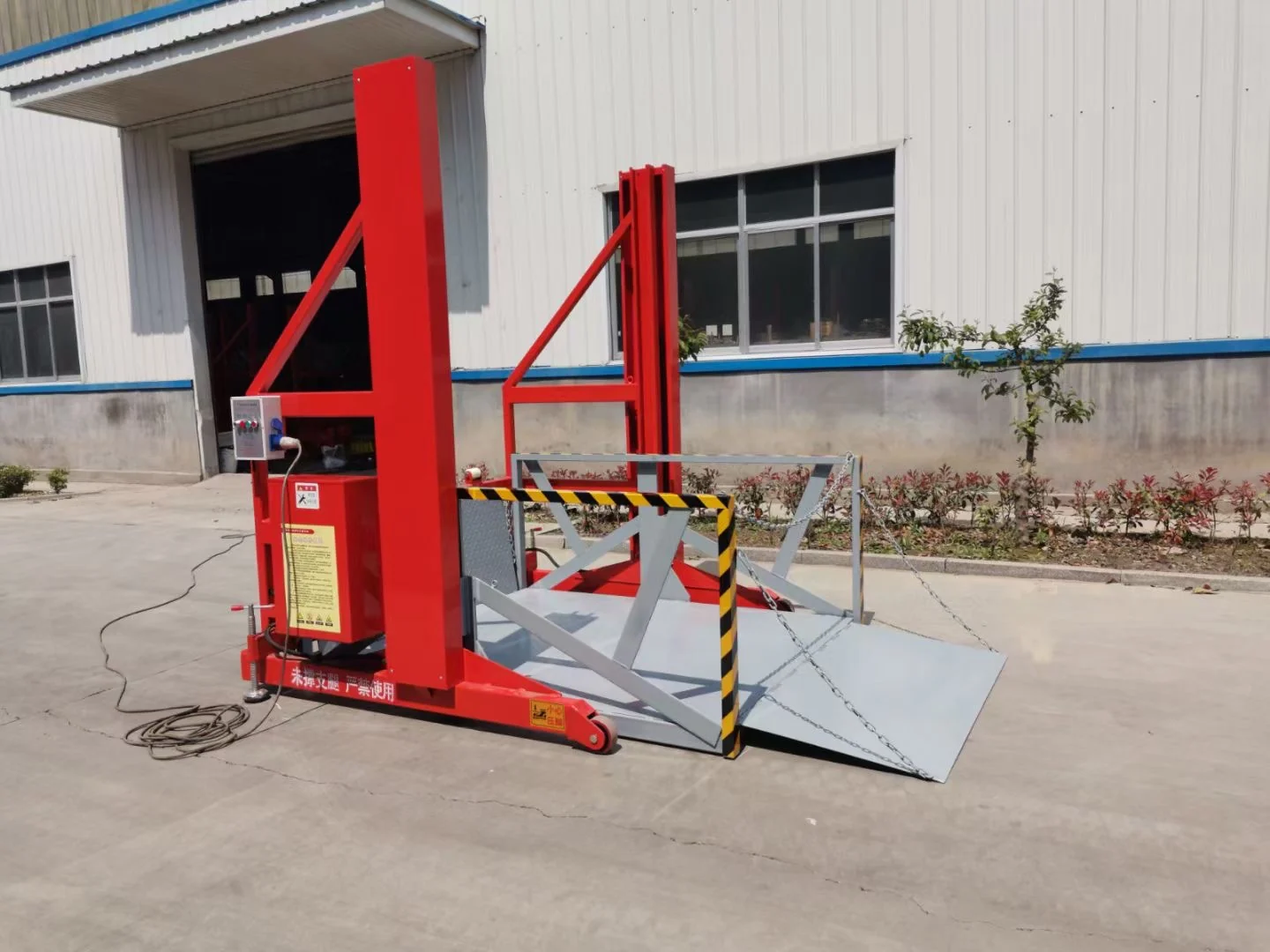
Loading interface equipment

Loading and Unloading Platforms

Describe the transfer interface at both ends of the movement.

Define the vehicle or raised floor, the lower approach, the platform task and the way equipment will be positioned and operated.

Complete red loading and unloading platform with its bridge plate open outside a building
Open bridge plate · three-quarter view

01 / Category boundary

Define the task before the configuration.

A loading and unloading platform is an equipment category used to plan a raised transfer interface for goods movement between different levels.

This family should be selected from the site task rather than its appearance. The lower and upper interfaces, platform and load, loading direction, approach space, movement or setup method, ground condition, controls and power context need to be reviewed together.

Raised transfer platform
Use this path when goods are transferred on a platform between defined levels.
Mobile yard ramp
Use the yard-ramp path when the primary task is a longer sloped route from yard level to a raised vehicle or dock.
Dock leveler
Use the dock-leveler path when an existing dock opening needs a short interface to a vehicle bed.

02 / Equipment guide

Understand the structure and compare the task.

Connect the equipment arrangement to your work area, movement route and operating conditions.

Structure and movement

The loading and unloading platform category concerns the platform at a goods-transfer interface. Describe the platform surface, supporting arrangement and entry and exit points separately. The platform area, vehicle interface and surrounding traffic route each contribute different site measurements.

Follow the goods through the whole transfer: arrival, positioning on the platform and departure to the next level or interface. Record who or what handles the goods at each point, the direction of movement and the space available to approach or turn.
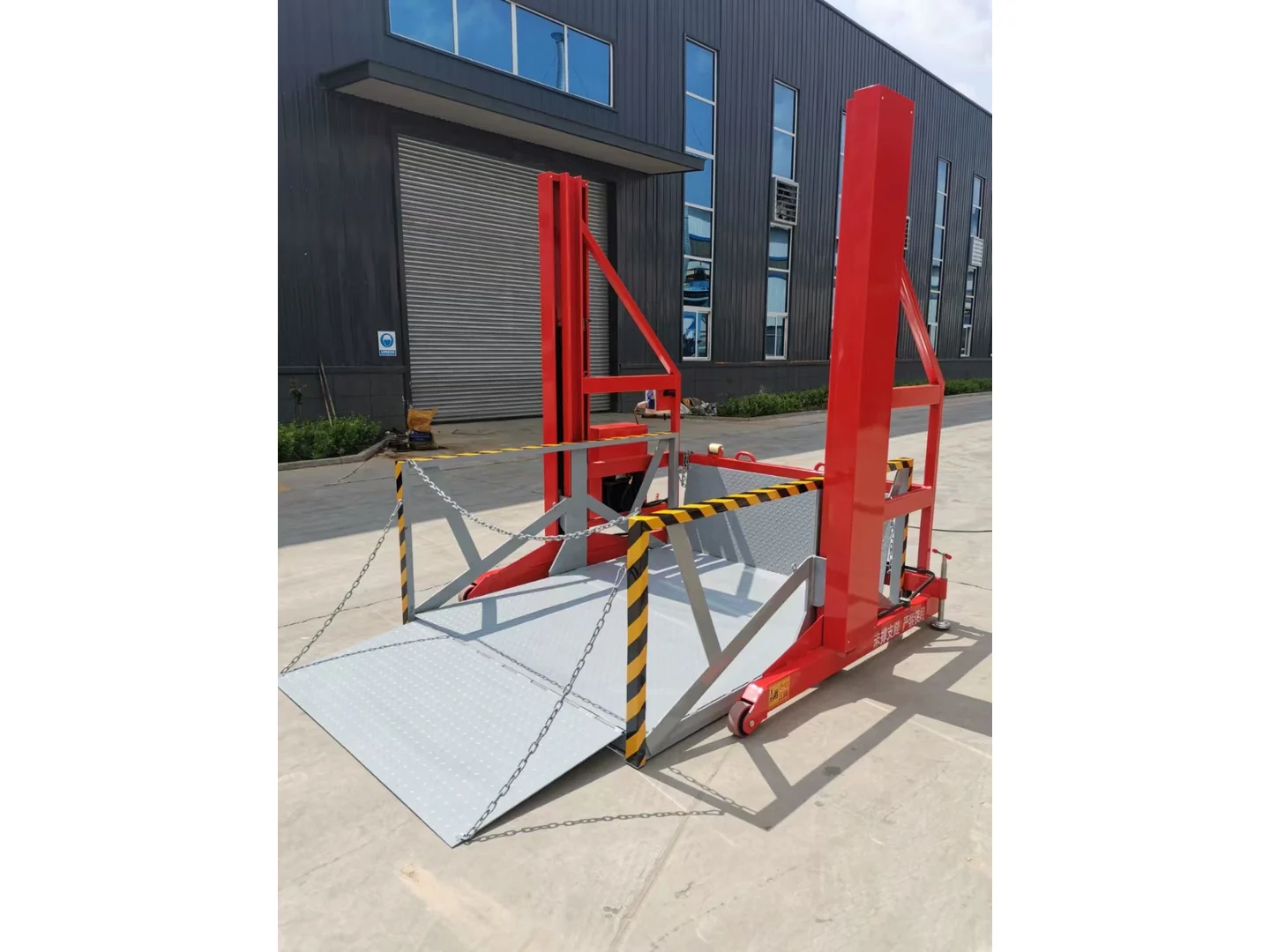
What to compare

Compare this task with a dock leveler or mobile yard ramp using the actual transfer route. A dock opening, a yard approach and a platform transfer are different starting layouts. Keep vehicle-bed dimensions, platform requirements and site dimensions clearly labelled in the comparison.

Conditions to establish

Provide the load and handling-equipment context, transfer levels, vehicle types and available operating area. State how often vehicles or loading positions change. Photos help explain the traffic layout, while measured interface dimensions remain necessary.

03 / Applications

Place the equipment in its working context.

Start with the task, access route and surrounding conditions, then review the configuration against the complete site brief.

01

Vehicle-interface transfer

Plan goods movement between a vehicle interface and a raised platform position.

02

Raised-level transfer

Review a route that connects lower access with an upper floor or working interface.

03

Configured loading routes

Describe projects where platform position, approach direction, setup method and surrounding traffic must be coordinated.

05 / Selection inputs

Start with the two interfaces and the handling route.

The review becomes clearer when measured site levels, the goods movement and the available setup area are recorded separately.

  1. 01

    Vehicle or raised-floor interface

    Provide the relevant upper interface height or range and explain how it changes during operation.

  2. 02

    Lower approach

    Measure the available ground-level approach, loading direction, turning space and nearby obstacles.

  3. 03

    Platform and load context

    Describe the goods, total operating load context, handling equipment and usable platform area.

  4. 04

    Movement and setup

    State whether the equipment must move between locations and how it will be positioned, stabilized and stored.

  5. 05

    Ground and environment

    Share surface condition, slope, drainage, weather exposure and the available operating envelope.

  6. 06

    Controls and services

    Explain the operating sequence, control position, power context and any site interface requirements.

06 / Project path

Turn site information into a reviewable brief.

Keep the project sequence visible so measurements, configuration questions and supporting files reach the enquiry together.

  1. 01

    Define the two interfaces

    Record the vehicle or raised-floor position and the lower approach area.

  2. 02

    Map the goods route

    Describe the goods, handling equipment, load context, traffic direction and required platform area.

  3. 03

    Review setup and services

    Check movement or setup arrangements, ground, controls, power, environment and destination.

07 / Buyer questions

Planning FAQ

Common questions about equipment selection and preparing your enquiry.

01 How is this platform different from a mobile yard ramp?

This route focuses on a raised transfer platform. A mobile yard ramp focuses on a longer sloped travel route from yard level to a raised interface.

02 What site dimensions are most useful?

Provide both interface heights, the approach and turning envelope, usable setup area and any fixed obstacles or floor transitions.

03 Should I include the handling equipment in the enquiry?

Yes. Describe how the goods reach, occupy and leave the platform so the complete movement can be reviewed.

04 Are product photos enough to choose a configuration?

Photos help identify the general category, but the site interface, load, route and operating method still need measured project information.

Start the project brief

Send the interface, route and site context.

The product family is carried into the enquiry form so the follow-up starts from the right category.

Request a project review
Quick enquiry Full quote