
Compact vertical access

Aluminum Mast Lifts

Match the mast structure to the complete access task.

Compare single, double and multi mast paths by platform requirement, support layout, movement route, stored envelope and site conditions.

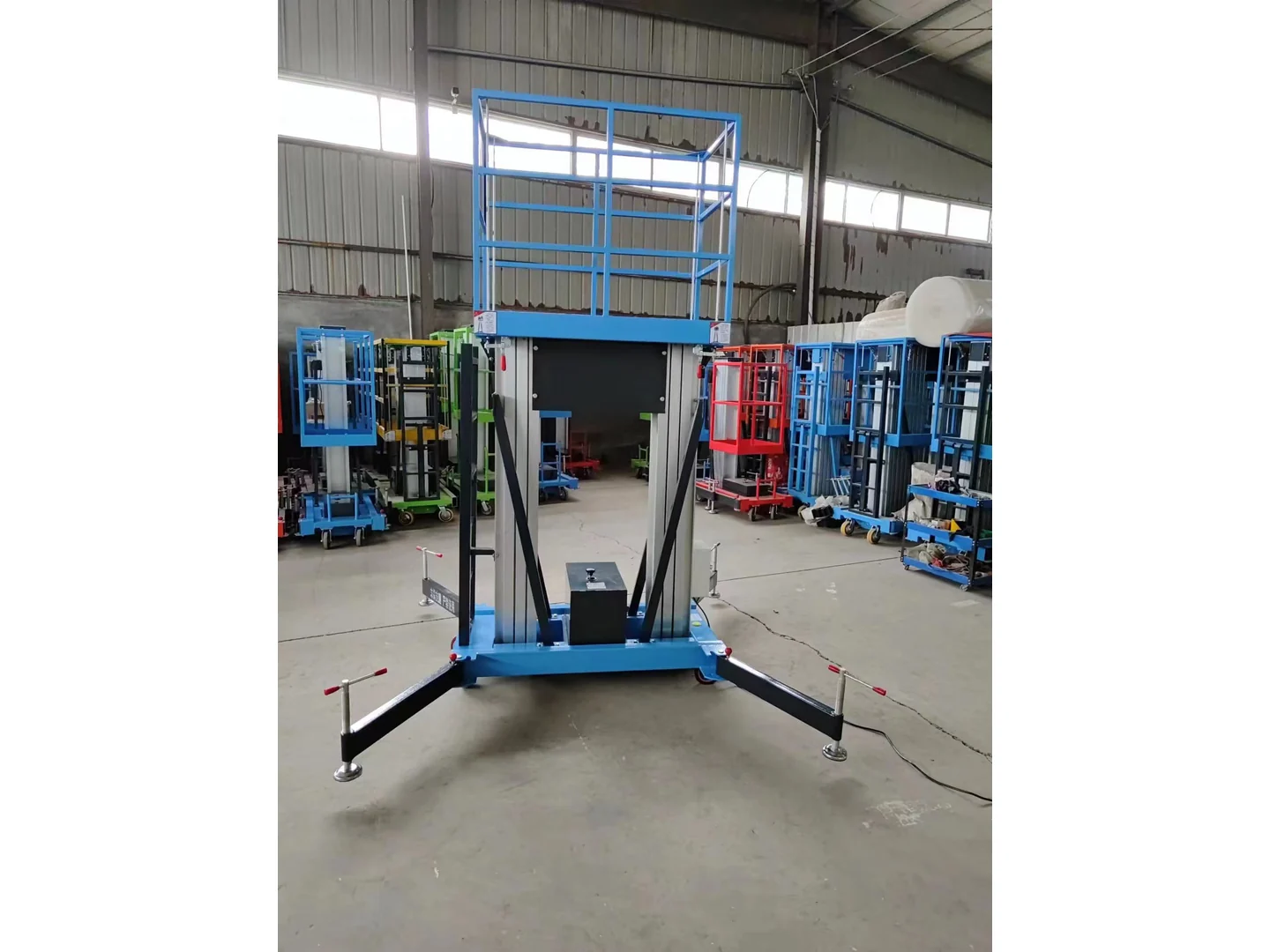
Complete blue double mast lift lowered with its stabilizers deployed among other equipment
Double mast · lowered front view

01 / Category boundary

Define the task before the configuration.

Aluminum mast lifts are vertical-access equipment organized here by single, double and multi mast structures.

The series label is only a starting point. A useful review also needs the required platform height, platform and occupant context, support footprint, access route, stored dimensions, power context and operating environment.

Single mast
Begin with a narrow mast structure, then verify the full platform, support and access requirement.
Double mast
Review the paired mast structure together with the platform, support pattern and movement route.
Multi mast
Treat wider multi mast arrangements as a distinct structural path with their own envelope and support review.

02 / Equipment guide

Understand the structure and compare the task.

Connect the equipment arrangement to your work area, movement route and operating conditions.

Structure and movement

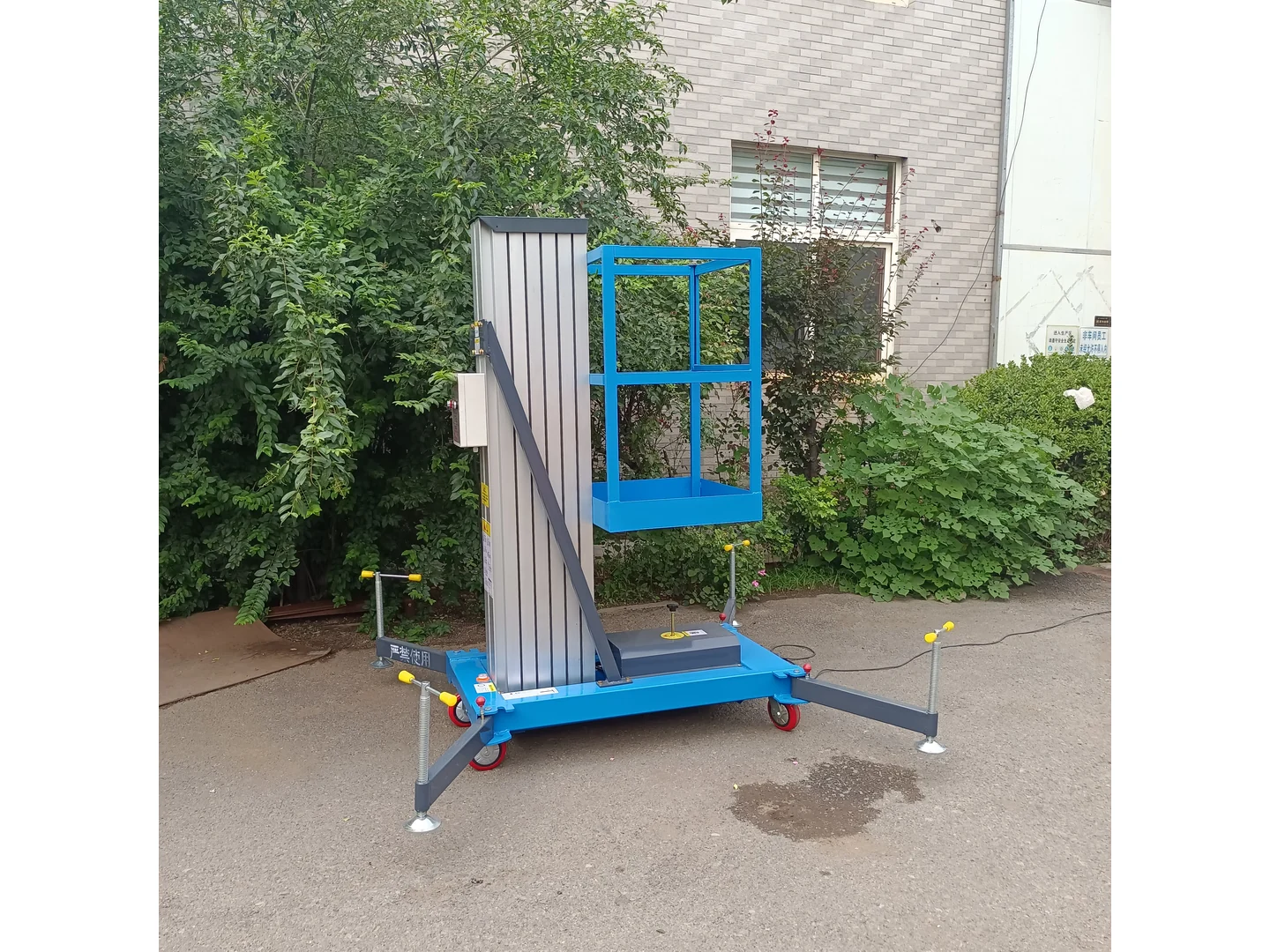
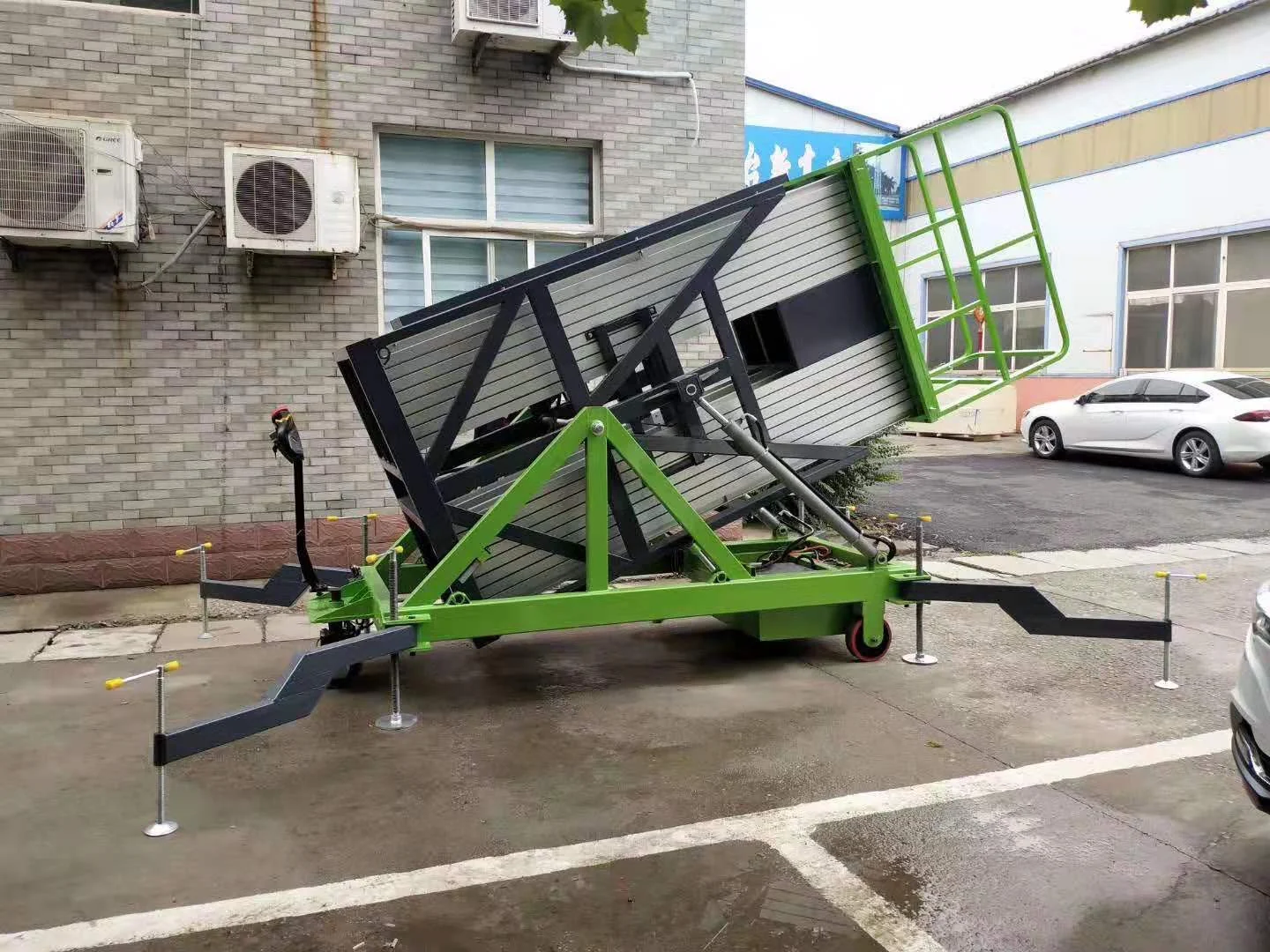
This family organizes vertical-access equipment by mast arrangement: single, double and multi mast. The mast arrangement describes the structure, while the platform, base and setup footprint describe different parts of the equipment. Keeping these terms separate makes a series comparison easier to read.

A mast provides a vertical guide for the platform movement. For a project brief, describe the platform position, the task at that position and the path used to bring the equipment to the work area. The raised working arrangement and the folded movement arrangement are separate measurements.
What to compare

Use the family page to choose a mast arrangement to investigate. Use the single, double or multi mast page to develop that series brief. A mast count alone does not establish platform load, usable platform area, stored dimensions or a power configuration; compare those fields only when they belong to the same documented series.

Conditions to establish

Begin with the work location and available setup area, then add doors, aisles and storage constraints. Describe indoor or outdoor use, the people and materials on the platform, and the floor conditions. These inputs help focus the discussion on the intended task.

03 / Applications

Place the equipment in its working context.

Start with the task, access route and surrounding conditions, then review the configuration against the complete site brief.

01

Measured building-access routes

Organize vertical-access tasks around the doorway, aisle, turning and stored-envelope measurements available at the site.

02

Defined elevated work points

Describe the work point, platform activity, people, tools and materials before comparing mast structures.

03

Series planning

Use the single, double and multi mast paths to discuss platform context, support area and movement route without assuming a rating.

05 / Selection inputs

Compare structures without losing the site constraints.

Use the three series routes to organize the equipment structure, then submit measured project inputs for a focused configuration review.

  1. 01

    Single mast path

    Record the required vertical access, platform task, support area and narrowest point on the movement route.

  2. 02

    Double mast path

    Define platform use, support layout, stored envelope and the doorways or aisles the equipment must pass through.

  3. 03

    Multi mast path

    Provide the full platform and support requirement plus transport, setup and storage constraints.

  4. 04

    Platform height and work point

    State the required platform position and task location separately so the height request is unambiguous.

  5. 05

    Movement and access

    Measure doors, corridors, turning points, floor transitions and available setup space.

  6. 06

    Power and environment

    Describe the available power context, floor conditions and indoor or outdoor operating environment.

06 / Project path

Turn site information into a reviewable brief.

Keep the project sequence visible so measurements, configuration questions and supporting files reach the enquiry together.

  1. 01

    Define the vertical task

    Record the work-point position, platform activity and height information already available.

  2. 02

    Measure access and setup

    Check the full movement route, stored envelope and available support footprint.

  3. 03

    Compare structure paths

    Review the single, double or multi mast structure together with the floor, power and environment.

07 / Buyer questions

Planning FAQ

Common questions about equipment selection and preparing your enquiry.

01 How should I compare single, double and multi mast lift paths?

Compare the complete structural and site task: platform requirement, support area, stored envelope, access route, setup space, power context and operating conditions.

02 Is the requested height enough to select a series?

Height is one input. The platform task, mast arrangement, support footprint, movement route, stored dimensions and environment also need review.

03 Which access measurements are useful?

Measure the narrowest doors and corridors, turning points, floor transitions, setup area, storage location and any transport constraints.

04 Should platform height and working height be treated as the same value?

They should be stated separately. Describe the required platform position and the actual work point instead of relying on an undefined height label.

Start the project brief

Send the interface, route and site context.

The product family is carried into the enquiry form so the follow-up starts from the right category.

Request a project review
Quick enquiry Full quote